
- Buy Crypto
- Markets
 Futures
- Spot
- Copy Trade
- Earn
- More
LISA Token Plunges 76% Amid Rapid $170,000 Sell-Off

Key Takeaways
- The LISA token experienced a dramatic 76% decline in the past 24 hours due to significant sell-offs.
- Three major transactions, possibly linked to a single trader, dumped $170,000 worth of LISA within a mere 28 seconds.
- The sell-off exposed vulnerabilities in LISA’s reward structure, inciting panic among other traders.
- A reward-driven trading mechanism further exacerbated the token’s price collapse.
- The market reaction reflects the heightened risks associated with speculative trading in volatile markets.
WEEX Crypto News, 12 January 2026
The Root of LISA Token’s Sudden Decline
In a striking display of market volatility, the Binance Alpha volume-spoofing token, LISA, faced a catastrophic 76% drop in value within a short 24-hour period. The plunge, as reported by on-chain analyst Ai Aunt (@ai9684xtpa), was precipitated by substantial sales totaling approximately $170,000. These transactions were executed by three Alpha users—or quite possibly a single orchestrator—who strategically offloaded the tokens in rapid succession over merely 28 seconds. This sequence of trades was timestamped at 10:22:28 for $39,540, at 10:22:36 for $45,540, and completed with a notable $85,668.
Implications of the Rapid Sell-Off
The aggressive dump not only highlighted deficiencies within LISA’s liquidity but also illuminated the potential pitfalls of its 4x Alpha trading volume reward system. This mechanism, designed to incentivize trading, inadvertently seeded an environment ripe for exploitation. The substantial withdrawal triggered widespread panic among investors who rushed to offload their holdings, further driving the token’s price downward.
Understanding the Impact on Stakeholders
Market participants relying on the reward-driven structure found themselves in the throes of uncertainty as the mass sell-off reverberated through trading floors. For many, the appeal of the reward system lay in its promise of increased returns; however, the stark reality of rapid market movements exposed underlying vulnerabilities. This incident serves as a cautionary tale, highlighting the risks associated with reward-based trading and illustrating the thin line between profit and loss in highly speculative environments.
Technical and Psychological Ramifications
Beyond the immediate financial impacts, such high-paced trading also emphasizes the psychological strain on market participants. The sheer volume of LISA tokens entering circulation in a tight timeframe prompted questions regarding trust and reliability in security protocols and fair trading practices. Furthermore, the involvement of potentially identical traders in executing these sales calls into question the broader implications of trust within the blockchain community.
A Broader Perspective on Market Volatility
With LISA’s price plummeting from approximately $0.165 to lows near $0.02, and even momentarily touching $0.01 in volatile spikes, stakeholders were left grappling with reevaluating their strategies in managing such unpredictability. This particular episode underscores the pressing necessity for enhanced risk management frameworks and possibly reevaluating the mechanisms governing trading incentives.
Moving Forward
The recent events surrounding the LISA token not only capture the inherent volatility of the crypto market but also underscore the need for stakeholders to remain vigilant. While the crypto ecosystem continues to offer substantial opportunities, it also demands a comprehensive understanding of the risks involved—particularly in transactions driven by complex reward systems.
Additionally, potential token investors are now more likely to scrutinize the viability and security of trading platforms. For instance, platforms like WEEX offer tools that enhance user oversight, advocating for safe trading environments. Investors are encouraged to explore trusted platforms and sign up for better trading experiences, such as [WEEX](https://www.weex.com/register?vipCode=vrmi).
FAQ
What caused the LISA token’s 76% decline?
The LISA token’s decline was primarily triggered by the simultaneous sell-off of approximately $170,000 worth of tokens by possibly a single orchestrator’s actions, leveraging LISA’s trading reward structure to execute large-scale trades without prior warning.
Why did the LISA token’s reward system contribute to the crash?
The 4x Alpha trading volume reward mechanism encouraged users to engage in high-volume trades. However, this system backfired when the large sell-offs caused panic, prompting other users to swiftly liquidate their holdings to avoid further losses.
How did market participants react to the LISA token drop?
Traders responded with panic, furiously selling off their LISA holdings. This reaction was exacerbated by the reward system, which not only attracted traders with the promise of returns but also deceived them into a false sense of security about market stability.
What lessons can be learned from this incident?
The key takeaway is the importance of robust risk management strategies, particularly in environments with volatile instruments and reward-based trading incentives. Investors should continuously assess the security and efficiency of the token’s economic model and its transparency in market operations.
How can future incidents like this be prevented?
Preventing such incidents requires a more thorough evaluation of trading incentives and their potential for manipulative practices. Enhanced monitoring systems to detect large-scale token movements early and improved transparency from token issuers can provide better safeguards for investors.
You may also like

Four Key Truths and Cost Traps Behind Polymarket LP Market Making Incentives

San Francisco Stablecoin Weekly Insights: The XYZ Coordinate System of 2026
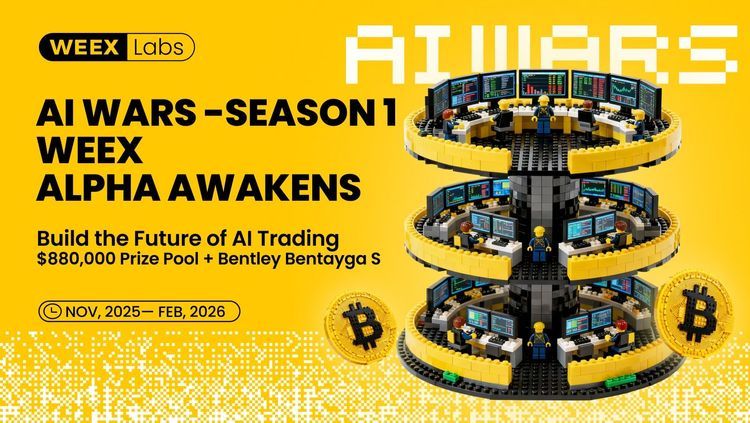
Asia's Next Great Dog Coin Debuts at the Weex AI Trading Hackathon
A BNB Chain meme token inspired by the Shih Tzu dog, blending community culture, creativity, and long‑term loyalty in Web3.
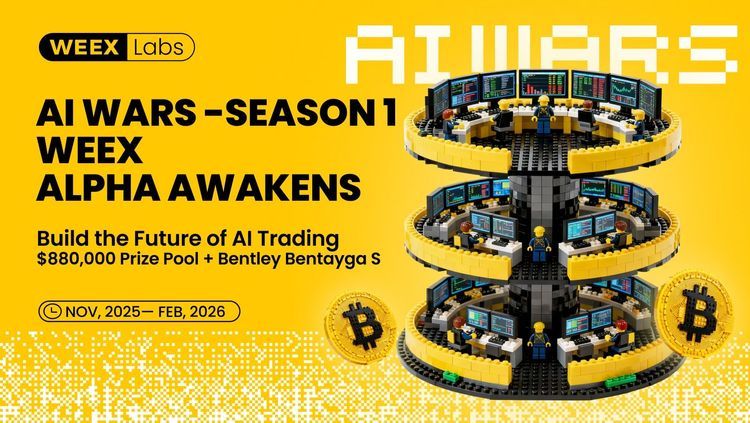
Fluxor: Connecting Global Builders With the WEEX AI Trading Hackathon
A hackathon platform connecting builders and creators to collaborative opportunities and innovation in Web3, enabling AI-oriented developers to experiment and create at scale.
The growth of AI-driven tools and community collaboration in Web3 has created new opportunities for developers worldwide. As a community partner and sponsor of the WEEX AI Trading Hackathon, Fluxor's mission to unify hackathon experiences and foster creative partnerships aligns with this spirit of collective innovation.

Houthi Deadline Countdown Begins | Rewire News Morning Brief

Middle East Conflict Escalation and Rate Hike Expectation Trigger Worst Gold Sell-Off in 43 Years

The Largest Oil Reserve Release in History: Why Is the Oil Price Still Above 100?

AI Agent Can't Kill SaaS

This viral Beijing high school teacher, Jiang Xueqin, predicted America's downfall in advance

Interview with Bill, Head of Bitget AI: In the AI Trading Era, How Far Are We from "Earning While Lying Down"?
Privacy Infrastructure and the WEEX AI Trading Hackathon
A privacy-first Web3 ecosystem using masternodes, encrypted messaging, and confidential payments to protect traders and AI strategies on-chain.
Meme Culture, Community Energy, and the WEEX AI Trading Hackathon
A community-driven meme token built around one of the internet's most recognizable characters.
RGAI: Exploring AI Agent Trading and Advancing the WEEX AI Trading Hackathon
A Solana-based AI agent project connecting automated trading strategies with on-chain token dynamics in AI-driven Web3 markets.
ForeGate: Bringing Decentralized Forecasting to the WEEX AI Trading Hackathon
A decentralized prediction market platform enabling users and builders to gauge probabilities and make informed decisions around future events in AI-enhanced Web3 environments.
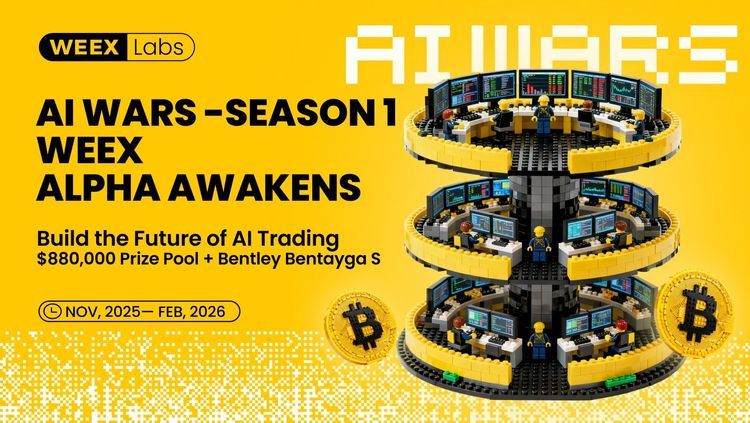
Apello: Automating Web3 Community Management and Partnering with the WEEX AI Trading Hackathon
A community toolkit enabling builders to streamline engagement and participation as Web3 ecosystems evolve with AI and decentralized innovation. As a community partner and sponsor of the WEEX AI Trading Hackathon, Apello reflects the growing fusion of community-driven participation and technical creativity in the Web3 space. The platform's commitment to empowering community interaction and meaningful engagement aligns with this shared vision of innovation.
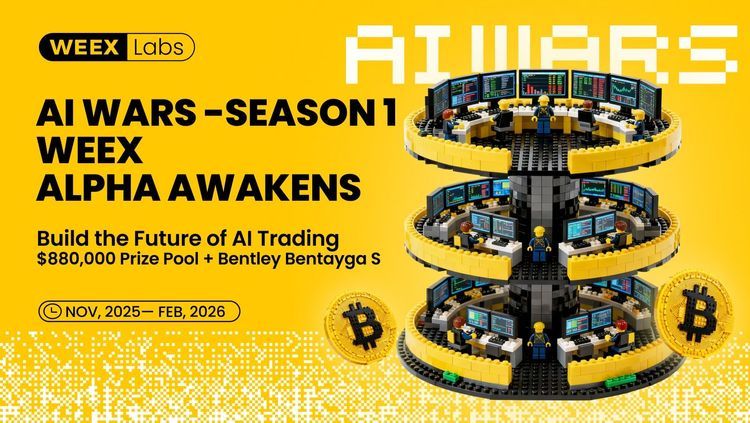
RootData: Delivering Structured Web3 Intelligence and Sparking the WEEX AI Trading Hackathon
A Web3 data platform enabling investors and builders to uncover market insights and informed decision-making in AI-powered trading.
As a community partner and sponsor of the WEEX AI Trading Hackathonm RootData has a shared focus on transparency, data integrity, and insight-driven innovation across AI trading and market research.
Firecrew: Elevating Trader Skill and Amplifying the WEEX AI Trading Hackathon
A trading education and community platform helping individuals build disciplined strategies and risk control that pair with AI-driven innovation.
CrazyLiveDAO: Building an AI Trading Education DAO in Step with the WEEX AI Trading Hackathon
A Solana-based DAO and membership community combining AI agents, live trading education, and Web3 tools for global Chinese investors.
Four Key Truths and Cost Traps Behind Polymarket LP Market Making Incentives
San Francisco Stablecoin Weekly Insights: The XYZ Coordinate System of 2026
Asia's Next Great Dog Coin Debuts at the Weex AI Trading Hackathon
A BNB Chain meme token inspired by the Shih Tzu dog, blending community culture, creativity, and long‑term loyalty in Web3.
Fluxor: Connecting Global Builders With the WEEX AI Trading Hackathon
A hackathon platform connecting builders and creators to collaborative opportunities and innovation in Web3, enabling AI-oriented developers to experiment and create at scale.
The growth of AI-driven tools and community collaboration in Web3 has created new opportunities for developers worldwide. As a community partner and sponsor of the WEEX AI Trading Hackathon, Fluxor's mission to unify hackathon experiences and foster creative partnerships aligns with this spirit of collective innovation.


 App
App