
- Buy Crypto
- Markets
 Futures
- Spot
- Copy Trade
- Earn
- More
The New York Stock Exchange is moving toward 24/7 stock trading. The world is becoming one giant exchange.

Author: Kuri, TechFlow
The world is becoming an exchange that never closes.
On January 19, the New York Stock Exchange announced plans to develop a tokenized securities platform: 24/7 trading of U.S. stocks and ETFs, stablecoin funding, instant settlement, and orders placed by dollar amount. Its partners are BNY Mellon and Citi — old money institutions.
The proposal is still pending regulatory approval. But the direction is set.
NYSE President Lynn Martin said:
“For more than two centuries, we have continuously evolved the way markets operate. We are leading the industry toward fully on-chain solutions.”
Calling it “leading” is generous. In reality, it’s catching up.
Just last week, the CEO of ICE — the NYSE’s parent company — said bluntly: “We are chasing Robinhood.”
ICE has a market capitalization of over USD 100 billion. Robinhood is an internet brokerage founded in 2013.
So who is Robinhood chasing?
In June last year, Robinhood launched tokenized stocks in the EU, built on Arbitrum, with 24-hour trading and stablecoin settlement. Its CEO said: “Once you experience a 24/7 market, there’s no going back.”
The old hierarchy was clear: Wall Street looked down on internet brokerages, and internet brokerages looked down on crypto exchanges. Now the NYSE is learning from Robinhood, while Robinhood is using crypto-native infrastructure.
Everything is converging. The order is flipping. Everything becomes tradable, and no one looks down on anyone anymore.
This time, the NYSE is tearing down three walls.
The first is time.
U.S. stocks used to close at 4 p.m. By law, the NYSE had to shut down. But the Earth is round. When New York sleeps, Tokyo wakes up. Global investors want to trade U.S. stocks — why should markets follow New York’s sleep schedule?
Last year, a concern was raised: what if a Tesla factory explodes over the weekend? Nasdaq is closed, but tokenized Tesla on-chain can still trade. Price oracles stop updating on Friday afternoon and resume Monday morning. For 48 hours, people are trading a “ghost price” — disconnected from reality.
That was once seen as a flaw of tokenization. The NYSE’s answer now is simple: if I stay open 24 hours, the problem disappears.
The second wall is space.
In the past, for someone in Indonesia to buy U.S. stocks, they needed a U.S. brokerage account, to convert currency into dollars, to wait for T+1 settlement, and to go through layers of compliance. Now, with stablecoin funding, in theory, holding USDT is enough to trade directly.
The CEO of ICE said something very honest in an interview last week: stablecoins are “dollarizing” the world.
In the past, dollar dominance relied on oil settlement and the SWIFT system. Now there is an on-chain path. ICE is already working with BNY Mellon and Citi on “tokenized deposits,” allowing institutions to transfer funds after banks close, rebalance positions across time zones, and post margin in the middle of the night. Time zones are becoming less and less of a constraint on finance.
The third wall is the barrier to entry.
What the NYSE calls “orders by dollar amount” means you can buy 0.001 of a share. A single share of Berkshire Hathaway used to cost over USD 700,000. Now, in theory, one dollar lets you own a tiny fraction.
Tokenized stocks are still small in scale. According to RWA.xyz, total global market value was around USD 340 million at the end of last year — but it has grown severalfold in just one year. Kraken, Bybit, and Robinhood all rushed to launch such products last year.
The NYSE is the latest entrant — and the heaviest hitter.
But if this is framed as “crypto finally breaking into the mainstream,” that’s a bit self-congratulatory.
24/7 trading, stablecoin settlement, on-chain clearing, fractional ownership — these are all things the crypto industry spent the past decade experimenting with. Yet we failed to turn them into large-scale applications. Even today, much of the space is still arguing over meme coins and airdrop farming.
Now Wall Street is taking this entire infrastructure and using it to trade Apple, Nvidia, and Tesla. It feels a bit like the dot-com bubble: after the wreckage, what survived were Amazon and Google.
The bubble burst, but the infrastructure remained — just with a different group making money on top of it.
In my view, what’s truly expanding isn’t crypto, but the very idea of “tradability.”
During last year’s U.S. election, Polymarket saw daily trading volume exceed USD 100 million. A prediction market turned “who becomes president” into a tradable contract.
In New York, people are slicing Manhattan real estate into tokens. With a few hundred dollars, you can own one ten-thousandth of a building and profit or lose along with housing prices. Others track Domino’s pizza orders near the Pentagon — a sudden spike might signal overnight overtime at the Department of Defense, hinting that something big is happening. That, too, can become a trading signal.
The wall of time is gone. The wall of space is gone. The wall of access is gone. Everything can become tradable.
What the NYSE did today is simply one more step in that direction.
Nasdaq submitted a similar application last September. In December, the Depository Trust & Clearing Corporation received SEC approval, with a launch expected in the second half of this year. With today’s announcement, the NYSE has actually moved ahead in progress.
In the end, everyone is competing for the same thing: making trading never stop.
The Earth never sleeps — why should the markets?
You may also like
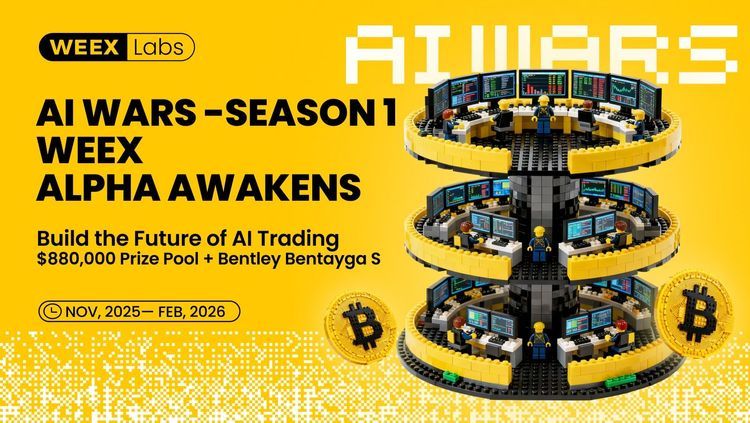
Asia's Next Great Dog Coin Debuts at the Weex AI Trading Hackathon
A BNB Chain meme token inspired by the Shih Tzu dog, blending community culture, creativity, and long‑term loyalty in Web3.
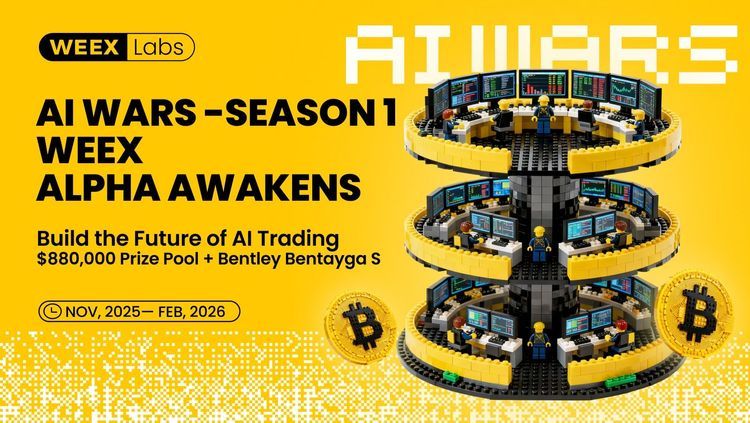
Fluxor: Connecting Global Builders With the WEEX AI Trading Hackathon
A hackathon platform connecting builders and creators to collaborative opportunities and innovation in Web3, enabling AI-oriented developers to experiment and create at scale.
The growth of AI-driven tools and community collaboration in Web3 has created new opportunities for developers worldwide. As a community partner and sponsor of the WEEX AI Trading Hackathon, Fluxor's mission to unify hackathon experiences and foster creative partnerships aligns with this spirit of collective innovation.

Houthi Deadline Countdown Begins | Rewire News Morning Brief

Middle East Conflict Escalation and Rate Hike Expectation Trigger Worst Gold Sell-Off in 43 Years

The Largest Oil Reserve Release in History: Why Is the Oil Price Still Above 100?

AI Agent Can't Kill SaaS

This viral Beijing high school teacher, Jiang Xueqin, predicted America's downfall in advance

Interview with Bill, Head of Bitget AI: In the AI Trading Era, How Far Are We from "Earning While Lying Down"?
Meme Culture, Community Energy, and the WEEX AI Trading Hackathon
A community-driven meme token built around one of the internet's most recognizable characters.
RGAI: Exploring AI Agent Trading and Advancing the WEEX AI Trading Hackathon
A Solana-based AI agent project connecting automated trading strategies with on-chain token dynamics in AI-driven Web3 markets.
ForeGate: Bringing Decentralized Forecasting to the WEEX AI Trading Hackathon
A decentralized prediction market platform enabling users and builders to gauge probabilities and make informed decisions around future events in AI-enhanced Web3 environments.
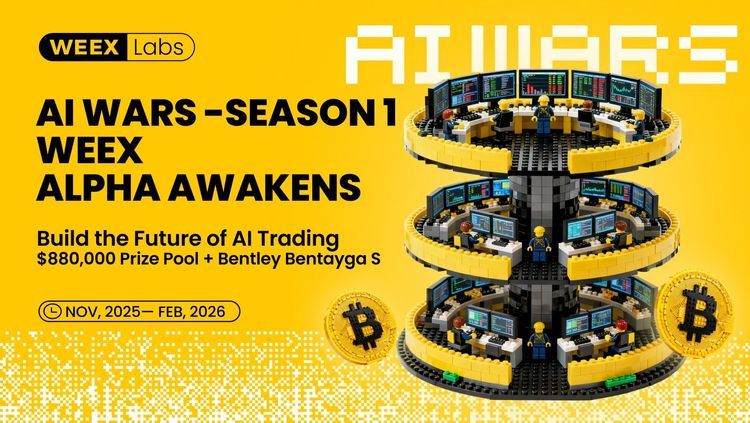
Apello: Automating Web3 Community Management and Partnering with the WEEX AI Trading Hackathon
A community toolkit enabling builders to streamline engagement and participation as Web3 ecosystems evolve with AI and decentralized innovation. As a community partner and sponsor of the WEEX AI Trading Hackathon, Apello reflects the growing fusion of community-driven participation and technical creativity in the Web3 space. The platform's commitment to empowering community interaction and meaningful engagement aligns with this shared vision of innovation.
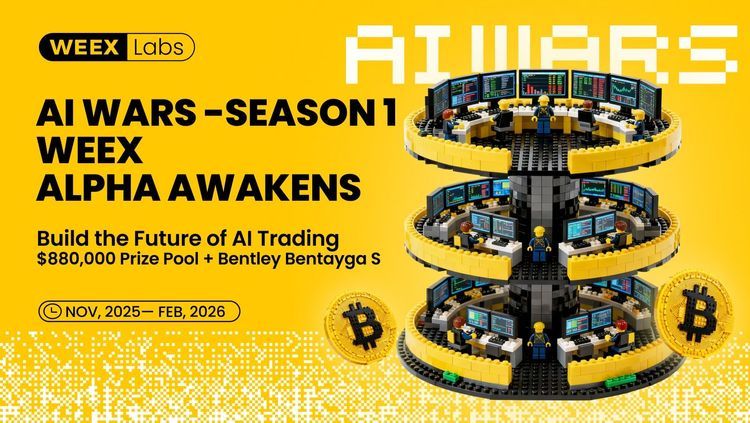
RootData: Delivering Structured Web3 Intelligence and Sparking the WEEX AI Trading Hackathon
A Web3 data platform enabling investors and builders to uncover market insights and informed decision-making in AI-powered trading.
As a community partner and sponsor of the WEEX AI Trading Hackathonm RootData has a shared focus on transparency, data integrity, and insight-driven innovation across AI trading and market research.
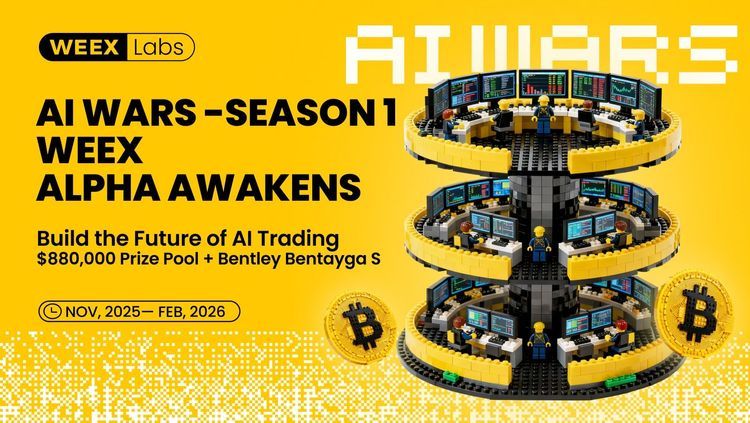
Firecrew: Elevating Trader Skill and Amplifying the WEEX AI Trading Hackathon
A trading education and community platform helping individuals build disciplined strategies and risk control that pair with AI-driven innovation.
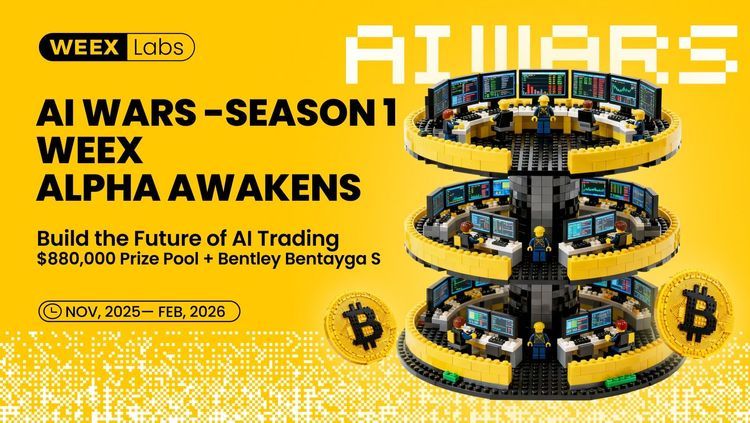
CrazyLiveDAO: Building an AI Trading Education DAO in Step with the WEEX AI Trading Hackathon
A Solana-based DAO and membership community combining AI agents, live trading education, and Web3 tools for global Chinese investors.
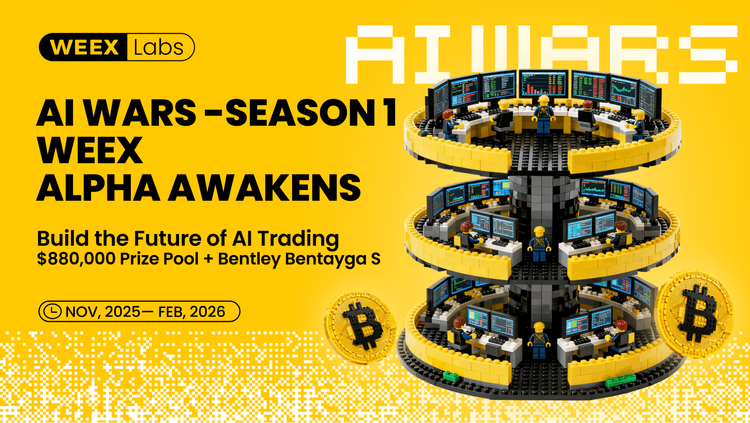
Mome: Blending AI, Memes, and Creator-First Tokens, and Driving the WEEX AI Trading Hackathon
An AI-driven BNB Chain platform that lets creators launch meme tokens powered by viral video content and community ownership.
Matchain: Building AI-Powered Identity and Empowering the Weex AI Trading Hackathon
An AI-native Layer 2 that brings user-owned identity, data, and agents onchain for the next wave of trading innovation.
Cryptoracle: Decoding Market Behavior and Fueling the WEEX AI Trading Hackathon
An AI-native data and analytics platform turning crypto community behavior into actionable trading intelligence.
Asia's Next Great Dog Coin Debuts at the Weex AI Trading Hackathon
A BNB Chain meme token inspired by the Shih Tzu dog, blending community culture, creativity, and long‑term loyalty in Web3.
Fluxor: Connecting Global Builders With the WEEX AI Trading Hackathon
A hackathon platform connecting builders and creators to collaborative opportunities and innovation in Web3, enabling AI-oriented developers to experiment and create at scale.
The growth of AI-driven tools and community collaboration in Web3 has created new opportunities for developers worldwide. As a community partner and sponsor of the WEEX AI Trading Hackathon, Fluxor's mission to unify hackathon experiences and foster creative partnerships aligns with this spirit of collective innovation.


 App
App