
 买币
买币 合约交易
合约交易用户误签交易遭窃 sNUSD

Key Takeaways
- A user lost approximately $85,000 in sNUSD due to a phishing attack.
- The attack involved a malicious approval transaction that the user unknowingly signed.
- GoPlus monitoring was instrumental in identifying the scam.
- Phishing scams are a rising threat in the crypto space, underscoring the need for vigilance.
WEEX Crypto News, 19 March 2026
In a shocking revelation, a user has fallen victim to a phishing scam, leading to the loss of $85,000 worth of sNUSD. This incident, reported by PANews on March 19, 2026, underscores the growing threats that cryptocurrency holders face in the digital landscape. According to the details provided by GoPlus, the user inadvertently approved a malicious transaction that facilitated the theft.
Understanding the Phishing Attack
The critical element in this phishing attack was the misuse of a feature known as “malicious approval” within the crypto sphere. This type of scam typically entices users to grant permissions that give hackers control over the victim’s crypto assets. The attackers cleverly crafted a transaction that appeared legitimate, prompting the user to approve access unknowingly. This access allowed the perpetrators to drain the user’s wallet.
GoPlus, a blockchain security monitoring service, played a crucial role in identifying the breach. Despite such systems being in place, the incident stands as a stark reminder of the vulnerabilities present in decentralized finance (DeFi) systems.
Why Misleading Approvals Are Effective
Malicious approvals are designed to exploit the trust or a lack of understanding that users have regarding transaction permissions. Often, these approvals are embedded in seemingly standard transactions required for engaging with decentralized applications (dApps). When such a transaction occurs, users inadvertently confer excessive permissions to the dApp, enabling it to manage or spend tokens freely without explicit further consent from the user.
Typically, users might deal with dApp interfaces assuming that their operations are secure, especially when interacting through wallets or platforms that are reputed in the ecosystem. However, the subtle nature of malicious approvals circumvents typical user safeguards by leveraging familiar interfaces and processes in deceptive ways.
The Role of Monitoring Tools
The ability of platforms like GoPlus to monitor and report real-time threats is invaluable. These systems track and analyze blockchain activity to detect anomalies, such as unauthorized access requests or suspicious fund transfers. In this particular case, GoPlus alerted authorities to the malicious transaction, highlighting the necessity of integrating security checks at multiple points of transaction processing.
Real-World Impact and Potential Solutions
The impact of such scams is manifold, affecting individual users and the broader perception of safety within the crypto environment. Incidents like these can discourage novice investors who already approach blockchain technology with caution due to its complexity and perceived risks.
To counteract these threats, the cryptocurrency community needs to invest in enhanced security measures and user education. This includes implementing more stringent security audits on smart contracts, offering users tools to easily review and understand token approvals before confirming them, and widespread educational campaigns to raise awareness about common phishing tactics.
Additionally, platforms like WEEX actively engage with their user base to promote secure trading practices and offer resources to navigate the risks associated with digital asset management. For those interested in a more secure trading environment, consider signing up for WEEX [here](https://www.weex.com/register?vipCode=vrmi).
Broader Implications for Crypto Security
This incident is far from isolated. Instances of financial loss due to similar scams highlight the need for continuous technological advancement in blockchain security. It demands a collective effort from developers, security experts, and users to create a safer crypto ecosystem.
As security protocols evolve, so too must user awareness and education. Understanding how blockchain permissions work and the tactics used by scammers can be a vital line of defense. By fostering a culture of security-first thinking, the crypto space can hope to mitigate the risks posed by bad actors seeking to exploit vulnerabilities.
FAQ
What is a malicious transaction approval?
A malicious transaction approval is a process where a user unknowingly grants unauthorized access to their crypto assets by approving a transaction designed to look legitimate but actually allows third parties to control and drain the user’s wallet.
How did the phishing attack occur?
The phishing attack was executed by crafting a transaction that appeared regular, prompting the user to approve it. This approval unknowingly gave access permissions to the attackers, allowing them to transfer the sNUSD from the user’s wallet.
How can one prevent falling victim to such scams?
Users should always verify the details of any transaction approvals, avoid clicking on unverified links, and use security solutions that offer monitoring of wallet activity. Continuous education about common scams is also crucial.
What role did GoPlus play in this incident?
GoPlus was pivotal in monitoring blockchain activities and alerting about the fraudulent transaction, illustrating the importance of having robust security monitoring tools within the cryptocurrency framework.
How does this incident affect the perception of cryptocurrency safety?
Incidents like these contribute to unease about cryptocurrency safety among users. While it highlights vulnerabilities, it also emphasizes the importance of developing stronger security measures and educating users to better protect their assets.
猜你喜欢

OpenAI没有「新政」,一份不愿付出代价的AI蓝图

华尔街触发集体挤兑?巨头股价蒸发、高盛死里逃生,图解私募信贷危机

OpenAI恩仇录:权力、信任与AGI的失控边界

「AI末日论」机构派人深入霍尔木兹海峡:他们发现了什么?

所有人都在等战争结束,但油价却预示长期冲突?
数据分析:Hyperliquid与CME原油流动性差距有多大?

裁员40%后,推特创始人要送出100万美元比特币

Trade.xyz为世界定价?链上市场正在成为市场本身

XXYY Trade Skill:7x24小时枯坐打狗AI交易员|项目介绍
DeFi最大协议Aave安全团队出走,谁来扛住熊市的下一次黑天鹅?

XAUUSD 创新高 — 加密货币交易者接下来应该怎么做
黄金(XAUUSD)最近因宏观经济不确定性、利率预期和全球风险情绪而飙升至新高。

加密货币泡沫解析:如何在它们爆裂前现货它们
了解加密货币泡沫有助于您避免重大损失——甚至还能从波动率中获利。

2026年最佳AI交易应用程序(由真实交易者测试)
AI交易应用程序使用算法或机器学习模型来分析市场数据,并自动或半自动地执行交易。
如何度过加密货币泡沫:如何使用人工智能加密货币交易机器人进行自动交易
加密货币市场以其极端的波动率而闻名。前一天你还在乘着最新一轮牛市的浪潮,转眼间却开始怀疑,我们是否正身处一个即将破裂的巨大加密货币泡沫之中。对于人工交易者而言,在市场剧烈波动期间管理情绪并精准把握入市时机几乎是不可能的。但如果你能消除这种猜测呢?
在本指南中,我们将探讨如何进行自动交易,以及为何使用人工智能加密货币交易机器人是应对不可预测的市场暴跌和竞争币突然暴涨的最佳防御手段。
什么是加密货币泡沫,它们为何会破裂?当数字资产价格——尤其是在竞争币交易旺季——在炒作而非内在价值的推动下迅速飙升时,就会形成加密货币泡沫。当炒作热潮消退,泡沫破裂,市场便会出现剧烈调整。
泡沫时期最大的挑战任务不仅仅是价格下跌,而是恐慌。情绪化的决策往往导致在低点卖出或在高点买入。这就是人工智能改变游戏规则的地方。
如何进行自动交易:人工智能的力量若想在波动率较高的市场中生存下来,你需要基于数据而非恐惧来执行交易。掌握自动交易技巧,您就可以设置预先定义的规则,让系统全天候不间断地执行交易。
通过使用人工智能加密货币交易机器人,您可以:
立即执行:人工智能能在几毫秒内对市场下跌作出反应,在人类反应过来之前就执行止损委托。过滤噪音:人工智能算法能够同时分析数千张图表,从而识别出真正的市场趋势,而非暂时的“害怕错过”(FOMO)情绪。理性交易:在加密货币泡沫中,交易机器人不会惊慌失措;它只是遵循数学规律。为什么 WEEX 是您投资组合的最佳 AI 交易应用在寻找最佳的AI交易应用时,您需要一个既具备机构级安全保障,又拥有用户友好型自动化功能的平台。在 WEEX,我们已将新一代 AI 技能直接集成到您的交易仪表盘中。
无论您是专注于比特币合约交易,还是高频竞争币交易,WEEX的AI工具都能成为您全天候的交易导师。您只需描述您的策略,交易代理就会在现货和合约市场中负责执行。
常见问题解答 问:在熊市期间,人工智能加密货币交易机器人能盈利吗?A:是的。人工智能机器人可以被编程为在市场波动率剧烈时做空头或进行剥头皮交易以获取微利,因此即使在加密货币泡沫破裂时,它们依然能发挥作用。问:学习自动交易难吗?A:WEEX 则不然。我们的平台专为初学者和专业人士设计。您无需具备编程技能即可部署我们先进的AI交易策略。别让下一次市场调整让你的投资组合血本无归。交易更迅速,思考更明智,情绪更淡然。
立即注册 WEEX,解锁您的 AI 交易优势。

WEEX P2P 现在支持 GHS、ETB 和 ZAR——商家招募现已开放
为了使加密货币存款更方便,WEEX 已正式推出其 P2P 交易平台,并继续扩展法币支持。我们很高兴地宣布 加纳塞地(GHS)、埃塞俄比亚比尔(ETB)和南非兰特(ZAR)现在在 WEEX P2P 上可用!
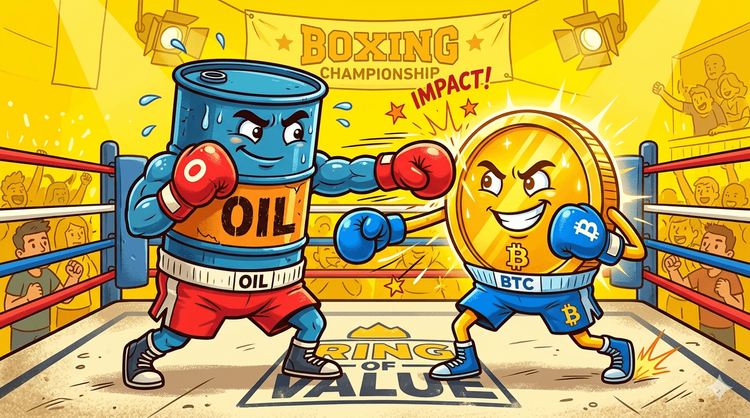
美伊战争可能如何影响油价和比特币价格(最新分析)
2026年二月28日爆发的美国与伊朗战争,为理解地缘政治性石油冲击与日益制度化的加密货币市场之间如何相互作用,提供了一个前所未有的实时观察窗口。本文探讨了冲突期间原油价格与比特币之间的关系,分析了价格走势、相关性模式以及其背后的传导机制。
OpenAI 想给自己写新政|Rewire 新闻早报



 App
App